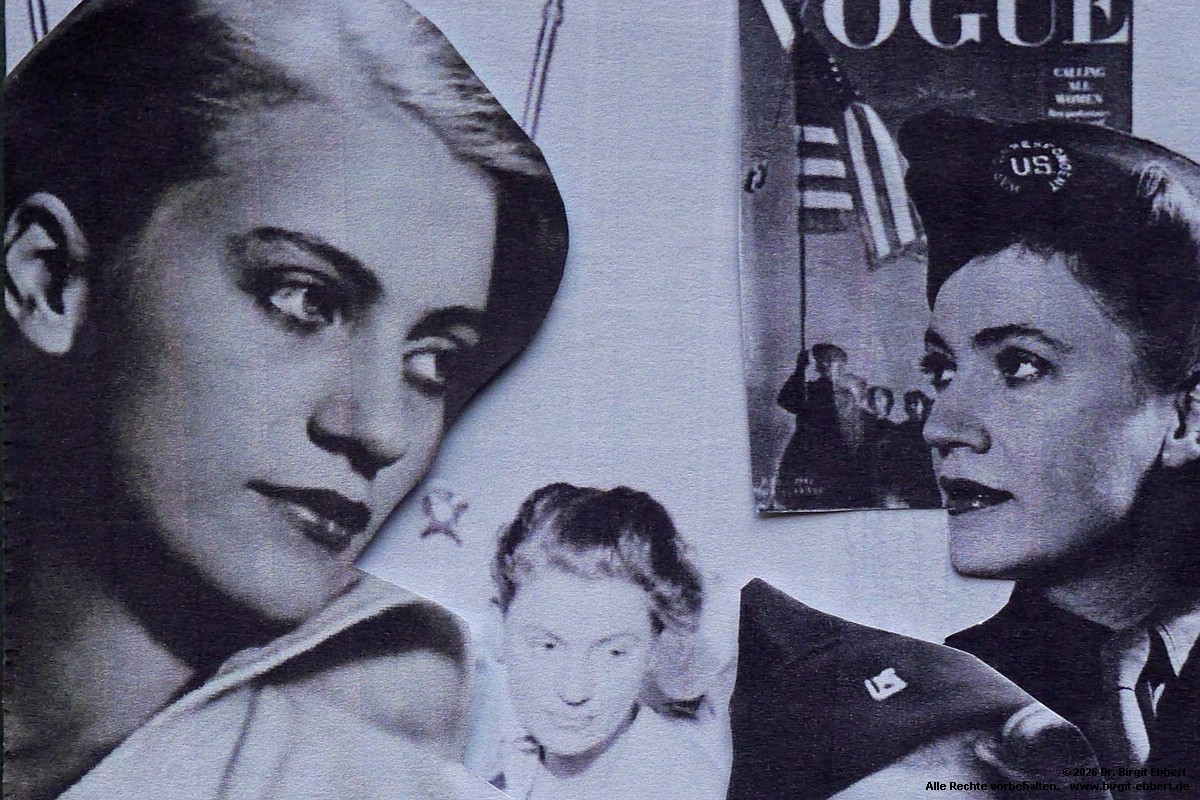
Vielleicht habt ihr alle den Film „Die Fotografin“ vor drei Jahren im Kino gesehen, den ich mir zu Weihnachten geschenkt habe. Er erzählt einen Teil des Lebens der amerikanischen Fotografin Lee Miller, die vor allem durch ihre Bilder aus dem Zweiten Weltkrieg und der Befreiung der Konzentrationslager Buchenwald und Dachau bekannt wurde.
Das erste Leben von Lee Miller
Lee Miller wurde am 23. April 1907 als Elizabeth Miller in den USA als Tochter eines fotoaffinen Vaters geboren. Was sie einerseits schon für die Fotografie begeisterte, dass ihr Vater sie von klein auf fotografierte, belastete sie auch, dass er Nacktfotos von ihr machte, ob er es war, der sie als 7-Jährige missbrauchte oder ein anderer Mann, geht aus den Quellen nicht eindeutig hervor. Verständlich ist aber, dass sie das Thema Fotografie zunächst ad acta legte und mit 19 Jahren erst einmal begann, Bühnenbild und Theaterbeleuchtung zu studieren. Ehe sie richtig starten konnte, wäre sie fast von einem Auto überfahren worden und wurde von einem Passanten gerettet. Er war – wie im Roman – Verleger und ihm gehörte unter anderem die Vogue. Begeistert von Elizabeth Millers Ausstrahlung und Auftreten engagierte er sie kurzerhand als Fotomodell. Sie arbeitete in den USA und in Frankreich mit renommierten Fotografen vor der Kamera, bis sie in Berlin dem Filmemacher, Fotografen und Künstler Man Ray begegnete. Er führte sie an die Arbeit hinter der Kamera heran und als sich die Wege der beiden, die auch privat zeitweise liiert waren, trennten, entschloss sich Lee Miller ein eigenes Studio in Frankreich aufzubauen. Zunächst machte sie Porträt- und Modefotos, arbeitete nebenher aber immer schon künstlerisch und fand Eingang in den Kreis der Surrealisten in Paris. Die Begeisterung für die Szene hielt allerdings nicht lang, ernüchtert ging sie nach New York zurück, um dort ein Fotostudio zu eröffnen, bis sie einen reichen Ägypter heiratete und mit ihm in dessen Heimat zog. Die Ehe hielt nur eine kurze Zeit, anfangs blieb sie in Ägypten, weil das Land sie faszinierte, 1939 siedelte sie jedoch nach London um und begann erneut, sich als selbstständige Fotografin einen Kundenkreis aufzubauen.
Fotografin in der Kriegs- und Lagerhölle
Nach Ausbruch des Zweiten Weltkriegs versuchte Lee Miller, sich als Kriegskorrespondentin zu akkreditieren. Kein leichtes Unterfangen, weil Frauen in der Nähe der Front nicht gewünscht waren. Ende 1942 gelang es ihr, so gibt es der Presseausweis an, sich für den Verlag der Vogue als Berichterstatterin im Krieg zu akkreditieren. Ab da sandte sie Fotografien von den Kriegsschauplätzen und später auch aus den befreiten Konzentrationslagern an ihre Zeitung. Sie gilt als eine der wenigen Frauen unter den Kriegsreporter:innen und als eine der ersten, die die Zerstörung in Deutschland nach Kriegsende im Bild festhielt und dokumentierte. Berühmt wurde sie für das Foto, dass ihr Kollege David E. Sherman von ihr in der Badewanne der Privatwohnung von Adolf Hitler machte. Historisch bedeutender waren jedoch ihre Fotografien über die Befreiung der Konzentrationslager Buchenwald und Dachau sowie über die Einnahme von Hitlers Wohnsitz auf dem Obersalzberg noch vor dem offiziellen Kriegsende. Nach dem Krieg hat sie ihren Beruf nur noch gelegentlich ausgeübt und sich vor allem um ihre Familie gekümmert, diese Zurückgezogenheit, die sich in Depressionen und Alkoholismus widerspiegelte, ist vermutlich eine Folge der schrecklichen Erlebnisse während des Krieges und bei der Befreiung der Konzentrationslager. Mit ihrem zweiten Ehemann hat sie sich in den letzten Lebensjahren durch die Leidenschaft fürs Kochen aus dem Tal herausgearbeitet. (Drei Rezepte finden sich auf der Seite des Bucerius Kunst Forums, wo sie nachgekocht wurden.) Vor ihrem Tod am 21. Juli 1977, nahm sie noch einmal die Kamera zur Hand und porträtierte unter anderem die Künstler Pablo Picasso und Joan Miró. © 2026 Dr. Birgit Ebbert www.vergessene-frauen.de
 Weiterführende Links über Lee Miller
Drei Frauen – ein Krieg (WDR-Mediathek)
Wer war Lee Miller? auf fotowissen.de
Die vielen Leben der Lee Miller
Das Artikelfoto ist Teil meines Kunstprojektes „Vergessene & verdrängte Frauen“.